Using Sludge as Fertilizer May Pose Health Risks

Published:

    Sewage. Sludge. Recycled human waste. Biosolids.

    It goes by many other names that cannot be printed in this newspaper, and Española residents produce tons of it — 590 metric tons a year, to be exact. And that’s just what’s left over after a treatment process sucks it dry of any liquids, Española Chief Sewer Plant Operator Carlos Rodriguez said.

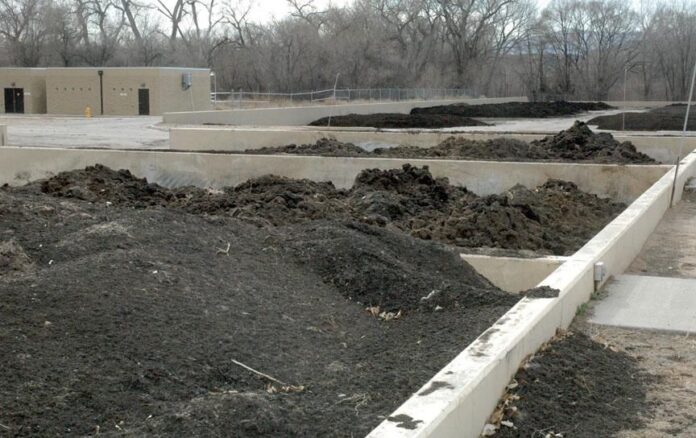
    After a multi-step drying process, it all ends up as fertilizer on farmland around the Española Valley. But federal regulators are not sure whether the sludge is completely safe.

    Using sludge as fertilizer is part of a “land-applied disposal” program the federal Environmental Protection Agency began promoting in the 1970s. The practice has since become controversial, leading the Agency to reassess whether the sludge poses health risks, according to Agency environmental engineer Denise Hamilton.

- Advertisement -
- Advertisements -

    The city’s sludge complies with all environmental requirements and is rated as “Class A” sludge — no worse than organic compost, according to the state Environment Department. That means the city’s sludge is considered safe under current federal regulations, Hamilton said.

    However, a 2002 study by the National Research Council, a federal advisory organization, cited a “critical need” to update those federal regulations on sludge. The Council reported that not enough data exist to determine whether using sludge as fertilizer poses health risks to humans.

    Hamilton said the Agency is currently researching whether certain unregulated contaminants pose health risks. Until that research is complete, there is no way of knowing whether Española’s sludge contains those contaminants, or whether they are harmful.

    “(The Agency’s) position is (the sludge) poses no foreseeable health effects,” Hamilton said. “But (the Agency) is currently assessing whether and how to regulate emergent contaminants.”

- Advertisement -
- Advertisements -

Risks and Concerns

     Caroline Snyder, a professor at the Rochester Institute of Technology in New York and founder of the group Citizens for Sludge-Free Land, said because the city’s plant processes mostly residential sewage, its sludge is likely safer than what comes out of big-city treatment plants.

    “If you don’t have industrial input, your sludge you could say is cleaner,” Snyder said. “Your risks are much lower than in New York City, Detroit, LA, for example. But even with household waste, there are risks.”

    What makes sludge dangerous is not the sewage itself, but the stuff that is in the sewage that shouldn’t be, Snyder said.

- Advertisement -
- Advertisements -

    Tests drawn from the sludge itself and from monitoring wells around sludge drying beds at the city sewer plant met all state and federal requirements, state Environment Department Domestic Waste Team Leader Robert George said.

    The problem is those tests don’t check for enough chemicals, according to the National Research Council study.

    Rodriguez said the city’s sewage contains no metal deposits, typically found in industrial waste, because it comes mostly from homes. Snyder agreed, but pointed out that, aside from human waste, homes also dump cleaning chemicals and detergents into the sewer system. And those concentrate in the sludge, she said.

    Hamilton said the Agency is studying whether certain household pollutants — including antibacterials in hand soaps and prescription medications flushed down toilets — are harmful to humans and the environment. Until that study is complete, the Agency cannot start regulating those chemicals in the sludge.

    When the sludge is spread on land, those contaminants can work their way into the soil and water supply, Snyder said.

    “The short-term concerns are people getting sick, people getting exposed to airborne pollutants,” Snyder said. “Long term, it could affect people’s wells and the groundwater supply. It could build up in the soil. Those contaminants don’t go away, and over a long period of time, they could ruin a farm forever.”

    Last year, a federal judge ordered the federal Agriculture Department to compensate a Georgia farmer whose land was left unusable by contaminants in sludge produced by the local sewer plant, according to court documents.

       Alternatives   

    Sewer plants throughout the country produce a total of 5.6 million tons of sludge, and 60 percent ends up as fertilizer, according to the report. The rest goes into landfills or used to generate power.

    The landfill option is safe, as long as it has a double metal lining to prevent waste from seeping into the ground, Snyder said.

    North Central Solid Waste Authority Director Joe Lewandowski said the new transfer station the Authority plans to build may include facilities to treat the dried sludge. The sludge would be combined with yard waste and composted. The heat from composting would kill bacteria and dissipate other contaminants, Lewandowski said.

    “Then we can actually start bagging it and selling it,” Lewandowski said. “Of course, we would have it tested at some point before that.”

    City Councilors have flirted with the idea of selling the sludge to a proposed treatment facility in Taos.

    B&E Biofuels LLC approached the Council’s Public Works committee in October 2006, saying it was building a facility that would convert the sludge to ethanol fuel and asking whether the city would like to participate. A decision was tabled because the city at the time was in the middle of building its current sewer plant, Acting City Manager Veronica Albin said.

    “We’ve been toying with the idea,” District 2 Councilor Alfred Herrera said. “It would all hinge on Taos finishing their facility, and whether they’d be able to accept the sludge.”

    The committee instructed Albin in February to get back in touch with that company, but she has not done so yet, she said.

Related articles

- Advertisements -

Recent articles

- Advertisements -