
Continue Reading
Subscribe for full unlimited access, log in to your account, or create a free account for complimentary articles.

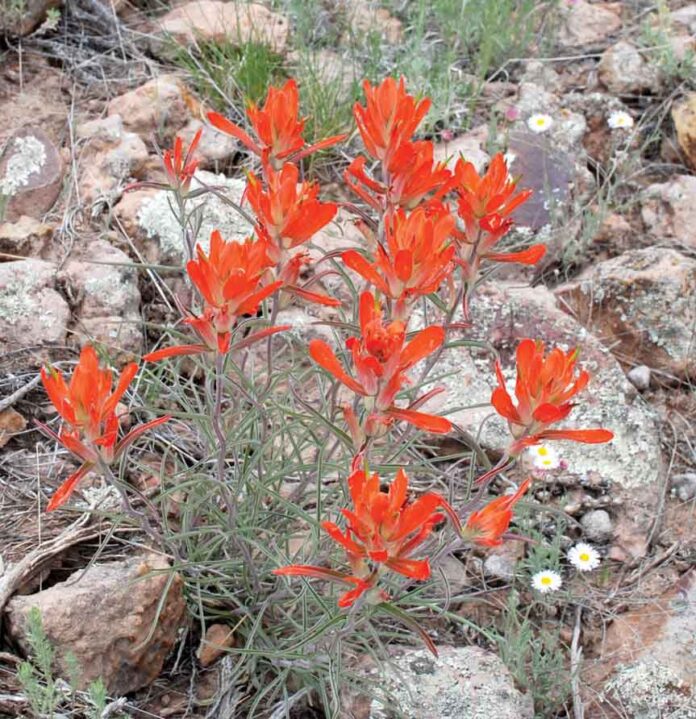
(SUNfotos by George Morse) The roadsides of Northern New Mexico offer great wildflower viewing right now, with red Indian paintbrush blooming profusely. Gaillardia, also known as Indian blanket flower, can also be seen blooming. In the fall, look for purple asters and yellow chamisa.
Lorem ipsum dolor sit amet, consectetur adipiscing elit. Sed do eiusmod tempor incididunt ut labore et dolore magna aliqua.
Ut enim ad minim veniam, quis nostrud exercitation ullamco laboris nisi ut aliquip ex ea commodo consequat.
Subscribe for full unlimited access, log in to your account, or create a free account for complimentary articles.
The Weekly Newsletter
Local news, sports, and community stories from the Rio Grande Sun, delivered free to your inbox every week.
Copyright © 2026 El Rito Media, LLC. All rights reserved.
Access your digital subscription
Don't have a subscription? Subscribe now →
Create a free account to read complimentary articles, or log in if you already have one.
Want full access? View subscription plans →
Want full access? View subscription plans →
Your free account has been created.