3 Mayoral Hopefuls Share Plans if Elected

Published:

The Española Municipal election is scheduled for March 3. The roles of mayor, one councilor from each of the four districts and the municipal judge are up for grabs.

This year, the Rio Grande SUN asked each candidate to answer a series of questions by email in hopes of receiving detailed answers that give voters insight into who they might elect to public office.

Candidates in each role received the same questions. Answers will be listed in order of last name. In case candidates have the same name, their first name will be used.

Answers have been edited for length and clarity, but without altering their original meaning.

- Advertisement -
- Advertisements -

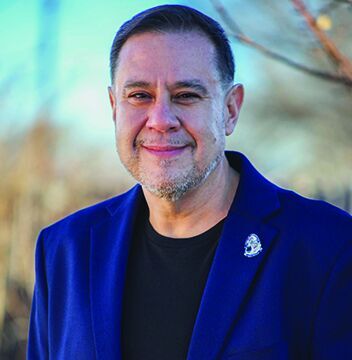
Dennis Tim Salazar served as a city councilor for five consecutive terms from 2004-2024. He has been married for 26 years and has two sons.

Joann Salazar has a master’s degree in social work policy from New Mexico Highlands University and more than 30 years of government experience. She has overseen $320 million in statewide programs, working with nonprofits and tribal, city and county governments.

John Ramon Vigil served as a regent at New Mexico Highlands University and one term on the city council before becoming mayor in 2022. He is a licensed real estate broker and small business owner. He also served on the Jemez Mountains Electric Cooperative board.


- Advertisement -
- Advertisements -

There are multiple overdue major projects in the city. How will you get high-dollar projects back on track and what will you do to prevent this from happening during your term?


Dennis Tim Salazar: I will ensure staff is aware of deadlines for these overdue projects and communicate with (Department of Finance and Administration) and other necessary agencies to verify specific time limits and determine if we are at any risk for losing the funding. All guidelines must be followed. Current city leadership has consistently allowed Capital Outlay money received to be put at risk. Effective checks and balances need to be put in place immediately from day 1 of my administration.


- Advertisement -
- Advertisements -

Joann Salazar: The first step is to determine where the original funding came from and the amount that was allocated to that project. If funding was minimal, we must quickly seek out additional funding sources through Capital Outlay, congressional or other governmental discretionary funding or state and federal grants. The city lacks a comprehensive plan for economic and community development and a cost methodology. I would evaluate the lagging projects, work with the city manager and department directors on a timeline for completion and host town hall meetings to gather community input on projects.


John Ramon Vigil: Council interference and repeated turnover in city management slowed progress on some major projects. My administration delivered results: stabilizing police leadership, replacing a 1960s fire station, repairing roads and securing $17 million in water infrastructure funding. A large accomplishment is the creation of the city’s in-house sanitation department, which now services 3,100+ consumers and has greatly improved the efficiency of trash collection services for the municipality.


What is a decision you made that you regret or look back on and would approach differently today?


Dennis Tim Salazar: I learned early that some people can look me in the face and lie, using manipulation tactics to push agendas that are not what is in the best interest of our people and community. I really wanted to believe that everyone had the best intentions, but that is not the case. I have always demanded an honest, open and transparent government and that is what I intend to do from day one of taking office. We cannot afford any more constant liabilities and questionable behavior that the current administration is known for.


Joann Salazar: My tenure on the Española Public Schools Board of Education was successful because we got the audits up to date, allowing the bond issue to be approved by voters. Once you are elected to public office, people will ask you for a job. I will direct them to the HR department for any job openings we may have. I will have regular hours at City Hall to meet with citizens who want to voice their concerns. I do not micromanage, but I will hold the city manager and exempt employees accountable for their work.


John Ramon Vigil: Early on, I pushed hard for change, sometimes faster than people were ready for. While the reforms were necessary, I’ve learned that communication and trust-building are just as important as urgency. That experience humbled me and made me a better leader. I’ll continue pushing modernization, but with stronger collaboration and clearer communication from the start


What criteria will you use to hire the next city manager?


Dennis Tim Salazar: I plan to put a diverse committee together of city councilors, staff members, human resources, members of the community and possibly other professionals to interview the potential candidates. A good resume doesn’t always translate to the best candidate. A proven track record is crucial, and background checks are a must. Candidates must show short- and long-term action plans. I would also like the finalists to be interviewed by the entire city council.


Joann Salazar: Candidates should have at least a bachelor’s degree in business or similar area, with at least three years of experience in city, county, state government or the private sector. I would interview the top three candidates and check references. The city manager must understand the problems of small municipalities, how to grow Gross Receipts Tax and small businesses and the importance of public accountability.


John Ramon Vigil: Instability in city management has been one of our biggest challenges. Going forward, I want a city manager with strong operational experience, financial expertise and the ability to lead staff professionally. The city manager must be allowed to manage without constant interference. Stability and clear roles between the mayor, council and administration are essential if Española is going to move forward.


What will you do if Immigration and Customs Enforcement begins operating in the city?


Dennis Tim Salazar: We will work with all state and federal agencies and cooperate in whatever capacity we are able, while maintaining the civil rights of all our citizens. We prefer to work in partnership with, rather than in opposition to, our fellow agencies.


Joann Salazar: The most important factor is protecting people’s rights and their safety. We have the NM National Guard here in Española. If necessary, they would be utilized along with other law enforcement agencies to de-escalate situations. I will also protect protesters to the greatest extent of the law.


John Ramon Vigil: My priority is public safety and protecting the rights of all residents. The city will not use local resources to conduct federal immigration enforcement, and our police will focus on safety and not immigration status. I will continue working with community and legal partners to ensure residents understand their rights and feel safe engaging with local government.


Drugs and homelessness are two major issues facing the city. What is your vision for tackling these long-standing and complicated issues? What are immediate actions you can take and plans for mid-term and long-term solutions?


Dennis Tim Salazar: Upholding the law and supporting public safety will be our number one priority, with compassion. We won’t tolerate crime, but we have to recognize that drug dependency plays a large role and need to help people. If we don’t have the resources locally, then we will have to find them elsewhere. We always have to remember that everybody we come in contact with is someone’s child, someone’s parent, relative and friend. Doing things with empathy and compassion is key, while upholding the law.


Joann Salazar: I would reconvene a group I brought together four years ago with the Attorney General’s office to form partnerships to utilize opioid settlement funds and other money. Partnering with other governmental entities and current working groups is also critical. We know we need systems of care to include treatment, temporary shelter and plans for long-term housing. Community input and expertise from those who serve this population on a daily basis is also vital.


John Ramon Vigil: In the short term, we focus on outreach, treatment access and targeting traffickers not addiction. Mid-term, we strengthen partnerships with service providers and leverage state and federal funding. Long-term, we expand housing options and treat addiction and homelessness as public health challenges.

Related articles

- Advertisements -

Recent articles

- Advertisements -